
Where the New Land meets the Past
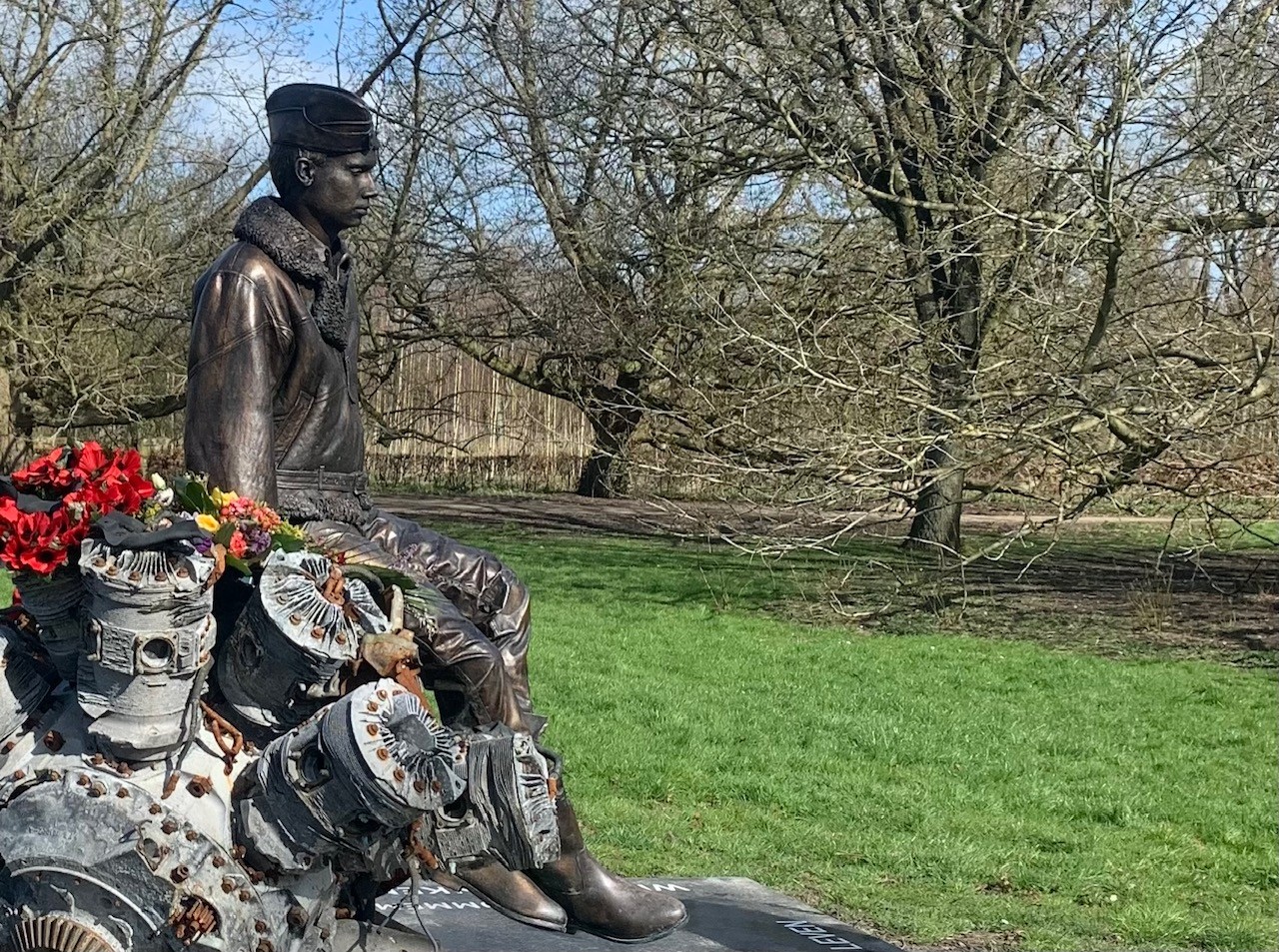
Lost Airmen
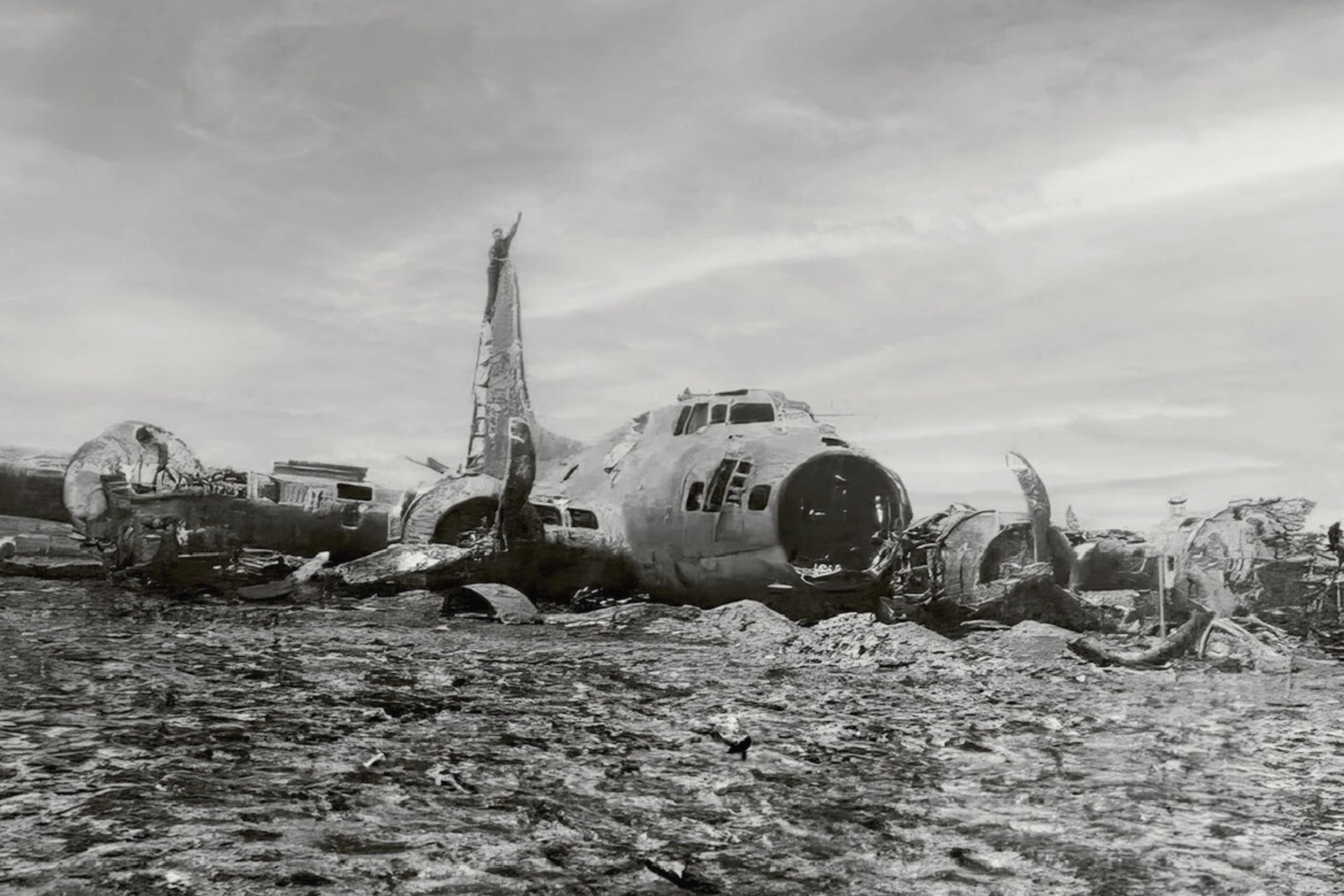
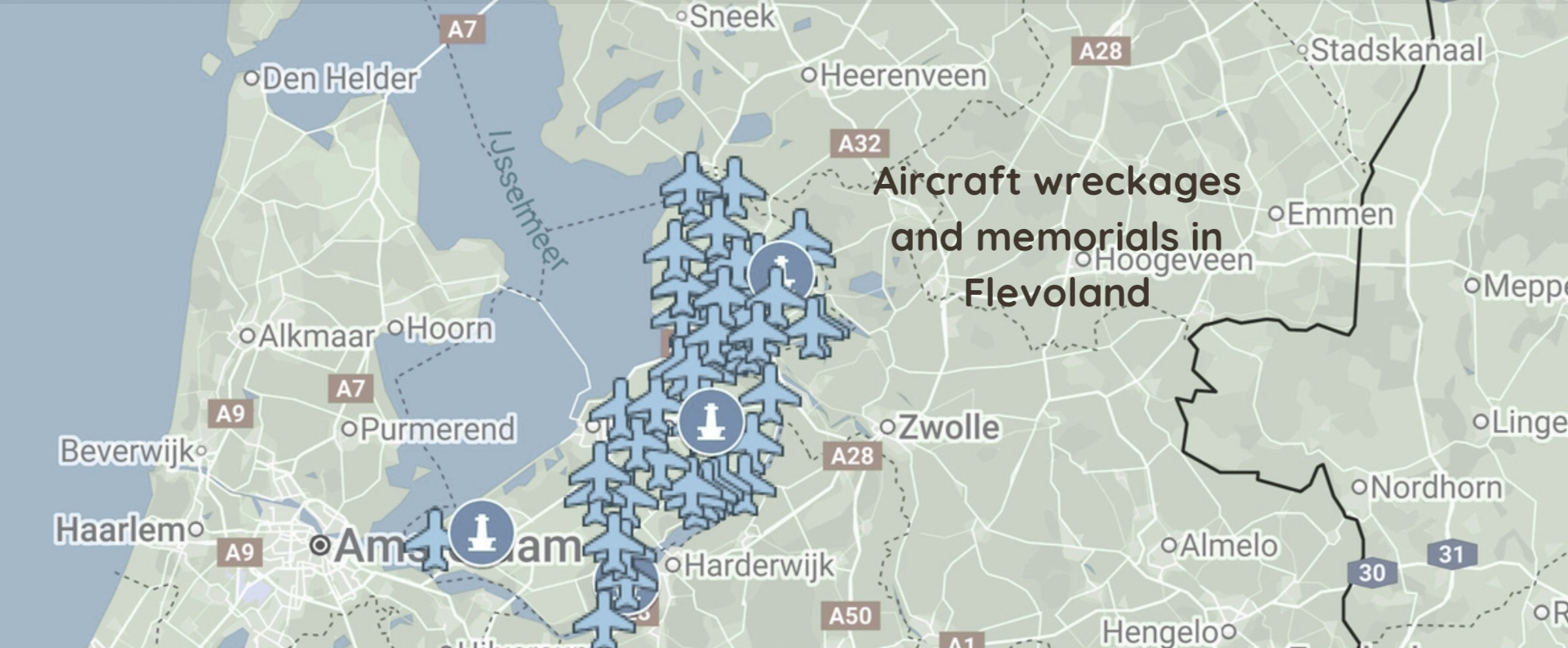
There’s one Second World War story many Dutch remember: the skies over the Netherlands were filled with aircraft. More than 5,500 were lost. While the air war raged above them, the Dutch were reclaiming land from the sea, crafting a new land and society. Attempting to shape a better, nearly perfect community. In what would later become Flevoland, the country’s youngest province, the loss of so many aircraft was especially visible. Flevoland’s story is one of progress and innovation, but also of lasting remembrance.
From Sea to Polders
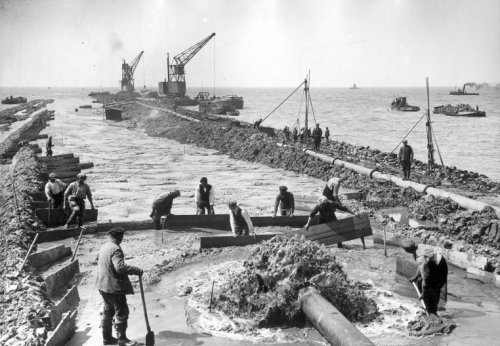
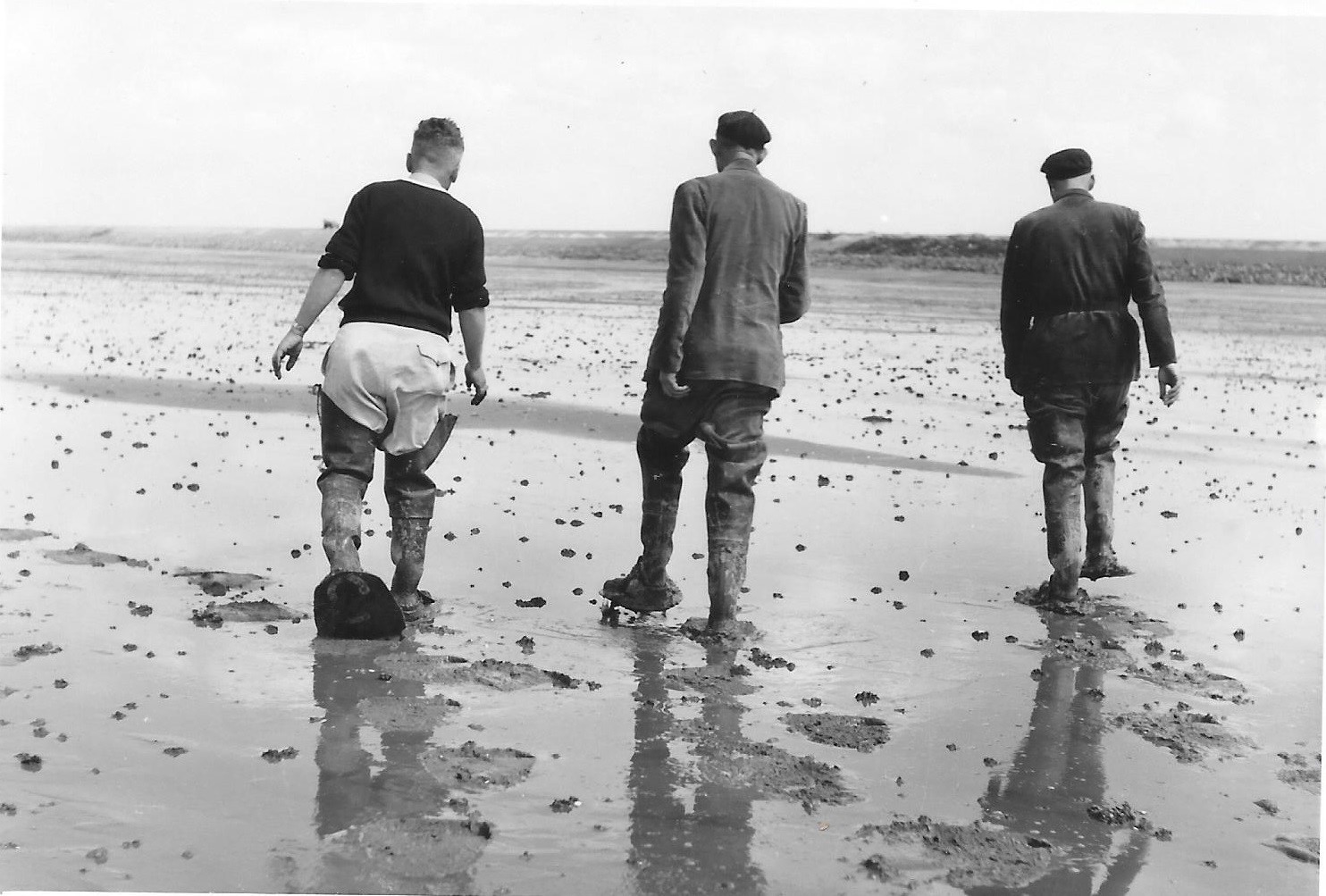
When the war broke out, the Dutch had recently transformed the Southern Sea into the freshwater IJsselmeer, with completion of the Afsluitdijk. Part of the Southern Sea Works, the world’s largest land-reclamation and flood-protection project still underway. The polders it created— land below sea level, protected by dykes—reshaped landscape and lives along the shores. They brought safety and opportunities, yet hugely impacted ecosystems, communities, and military defence. Settler selection was strict, and life on the new land was hard.
Courage in the Polders and the Skies
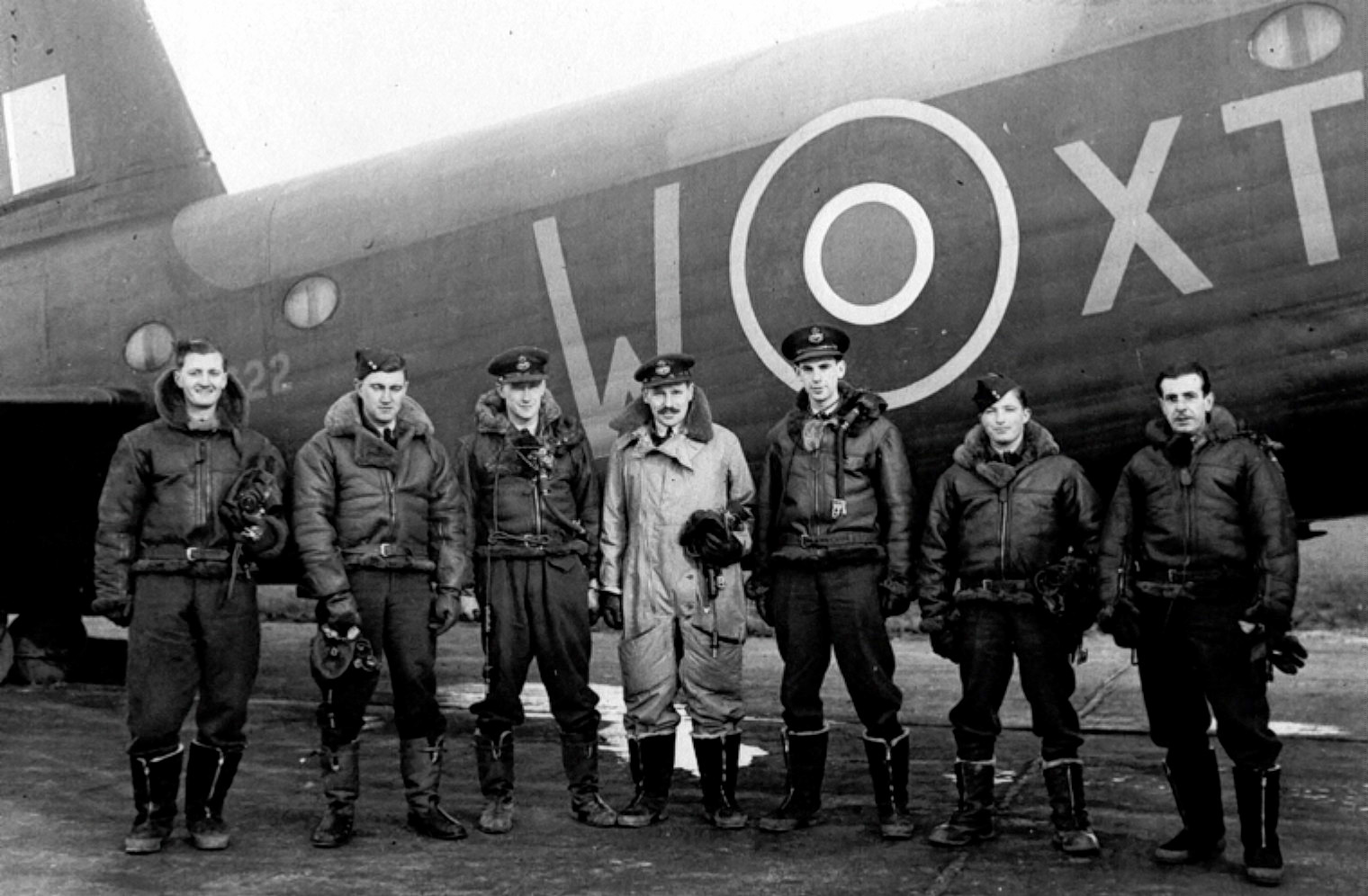
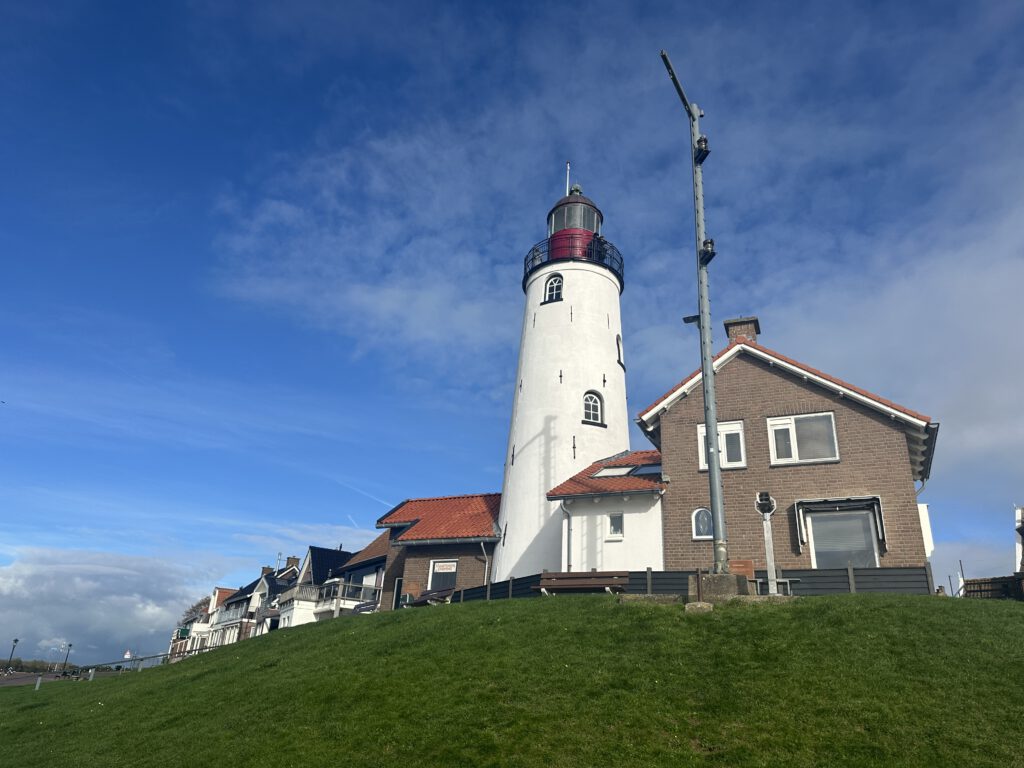
Among these newly reclaimed lands, the swampy Noordoostpolder provided a refuge for downed Allied airmen. Many aircraft passed over IJsselmeer, and the fishing village of Urk served as a beacon for pilots. The Urkers waited in their boats to rescue those who had crashed and sheltering airmen in underground huts and reeds planted to dry the land. The airmen’s presence brought hope, reminding us that the fight for freedom continued. The Urkers also ensured fallen were buried and honoured at the local church.
Remembering the Fallen
After the war, land reclamation continued and aircraft wreckages emerged from the former seabed. Some wreckages and remains were recovered, and crash sites marked with monuments. On land that had not existed during the war, its settlers—the polder pioneers—formed strong bonds with the fallen crews. For many years, Dronten welcomed air gunners to annual commemorations, hosting them with local families. Special friendships formed. Connections between countries lasted even after the air gunners had passed.
Passing on the Legacy
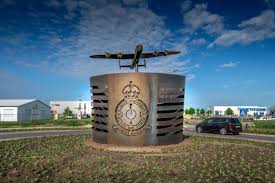
Memories like these inspire the search for lost airmen. Today, more than 1,000 are still missing in the Netherlands. In 2020, the city of Almere recovered the Short Stirling BK716, giving the downed airmen their final resting place. The Rise Monument honours them in a memorial park. Each remembered name forms a bridge between past and present. By passing on these stories, we will always remind ourselves, our children and their children that freedom may never be taken for granted.
What you will see and experience
- Schokland (UNESCO World Heritage Site) – once an island in the former Southern Sea, now resting on dry land, symbolising the struggle against the water and the reclamation of land
- Urk – a historic fishing community where local families aided downed Allied airmen during the war
- The RISE Monument (Almere) and the Airgunners Monument (Dronten) – powerful places of remembrance that honour the Allied airmen who came down in the former Southern Sea
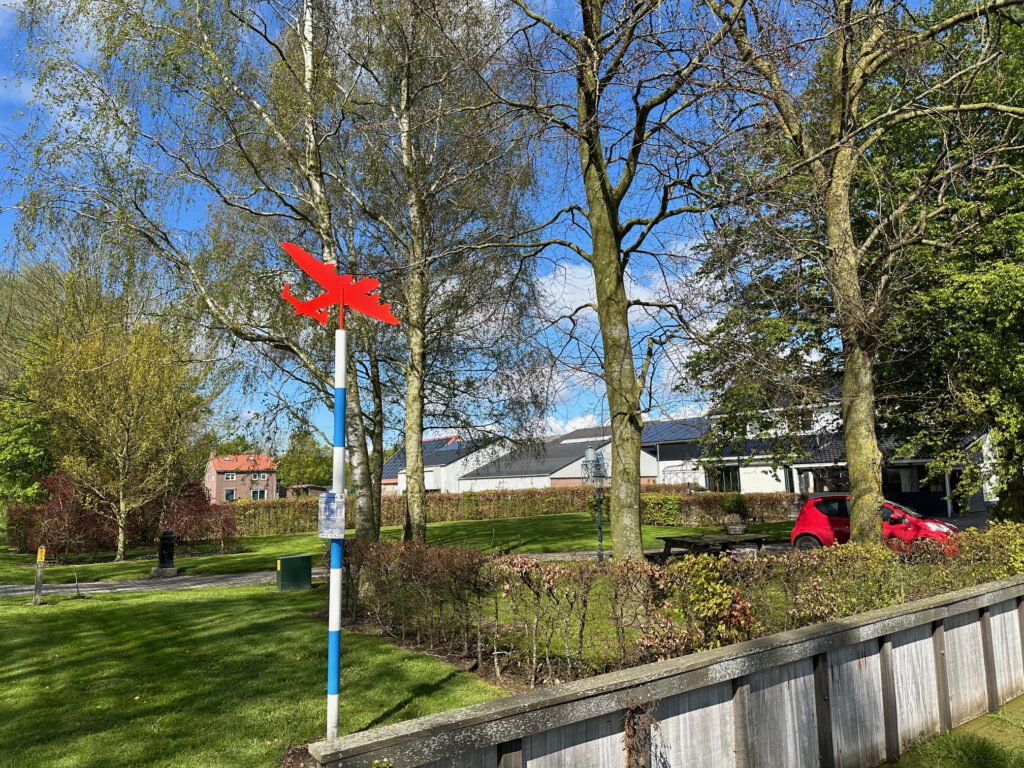
- The Lancaster Monument on Urk and crash poles across the polder – marking the locations where aircraft fell
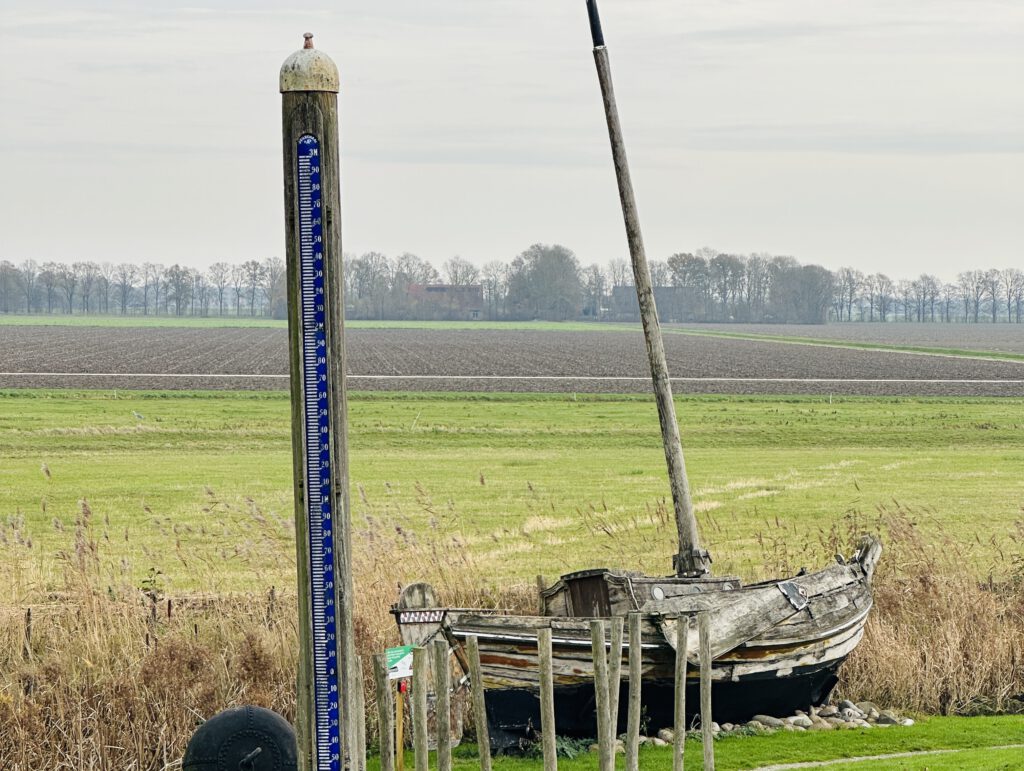
- A pumping station and surrounding waterworks – a brief stop that helps explain what it means to live below sea level
Join us and let memory take flight over
a land born after the war
Tour details
- Full day WW2 heritage tour (not possible on Sunday or Monday)
- Small scale tours, private tours possible
- Both in English and Dutch language

More details will follow soon. Please contact me if you'd like to know more.