
Land Shaped by Water
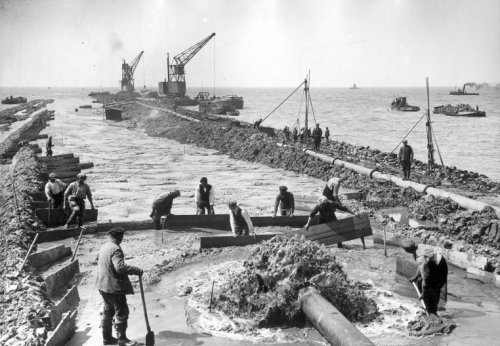
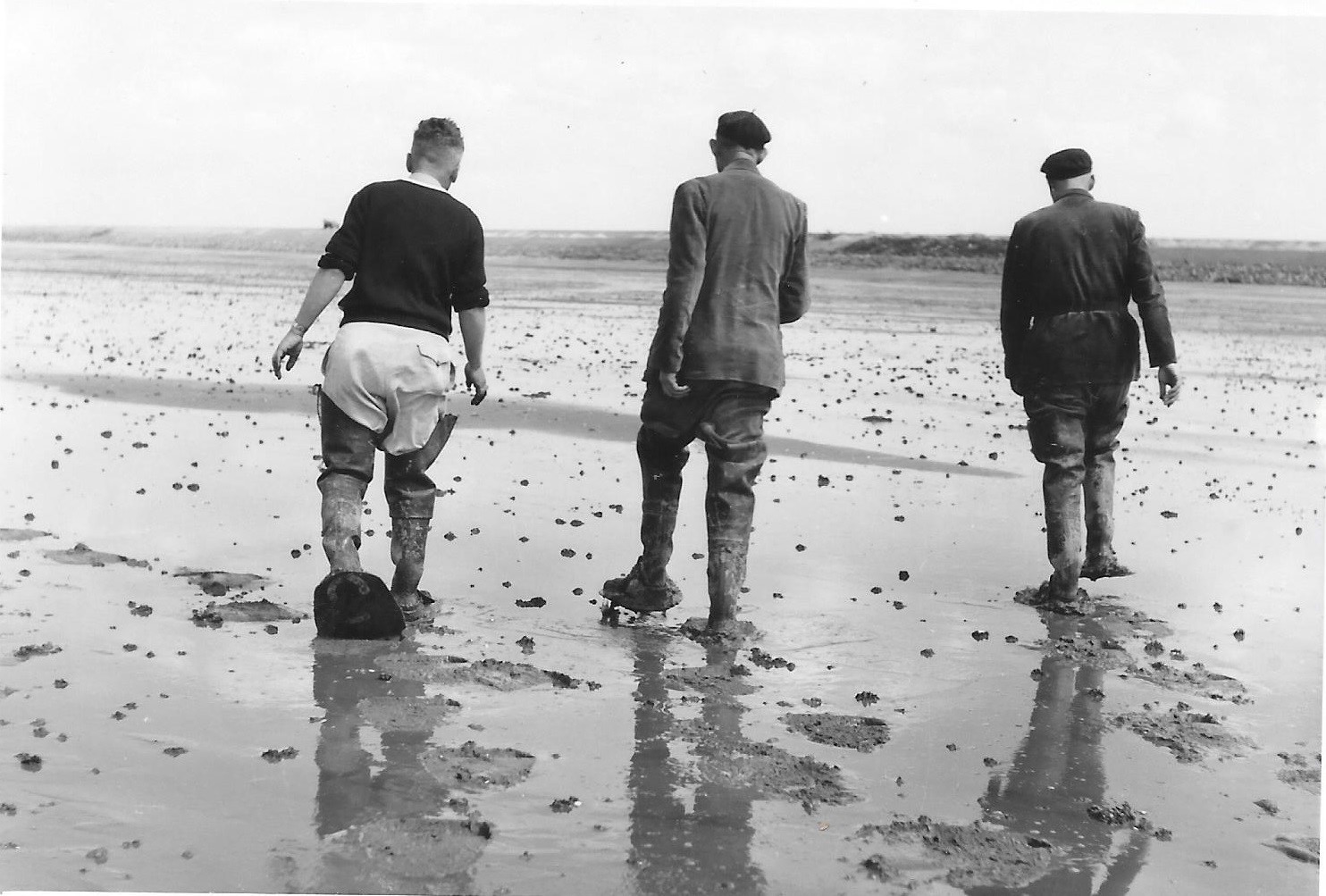
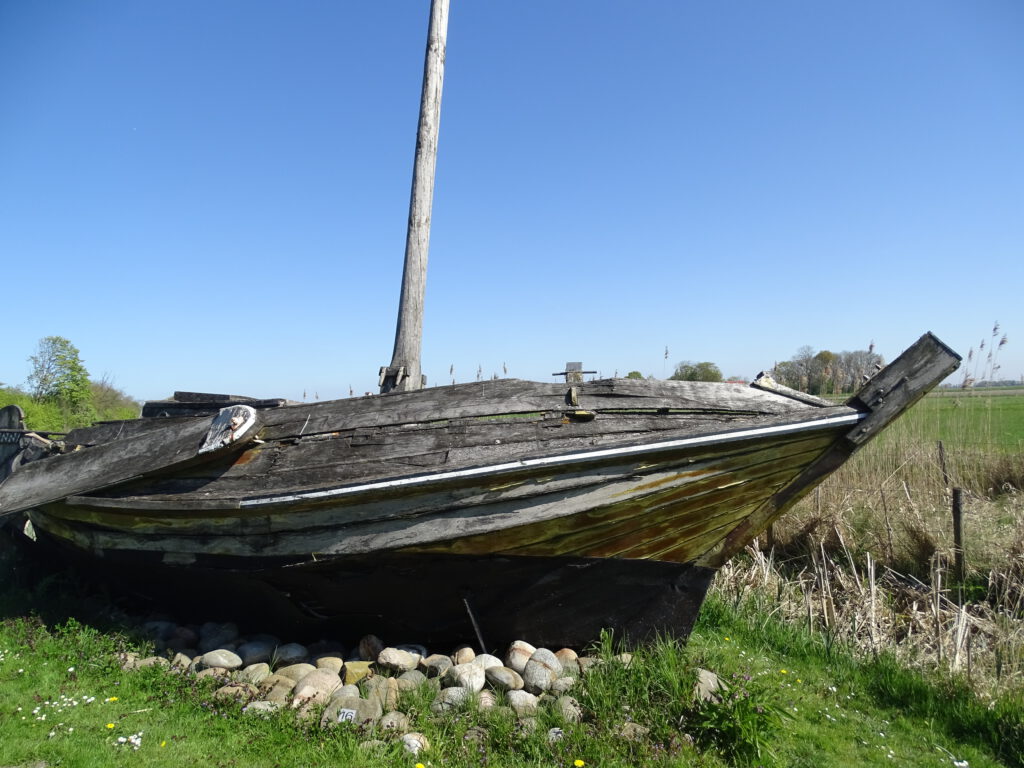
Long before war reshaped Europe, the Southern Sea defined life in the Netherlands. Fishing villages lived with storms, isolation and uncertainty, and places like Schokland were eventually abandoned when survival became impossible. When the Afsluitdijk closed the sea, it promised safety and new land, but it also marked the end of an old way of life. Communities lost their connection to the water, and the first settlers who moved into the reclaimed polders faced loneliness, harsh conditions and a landscape still finding its form.
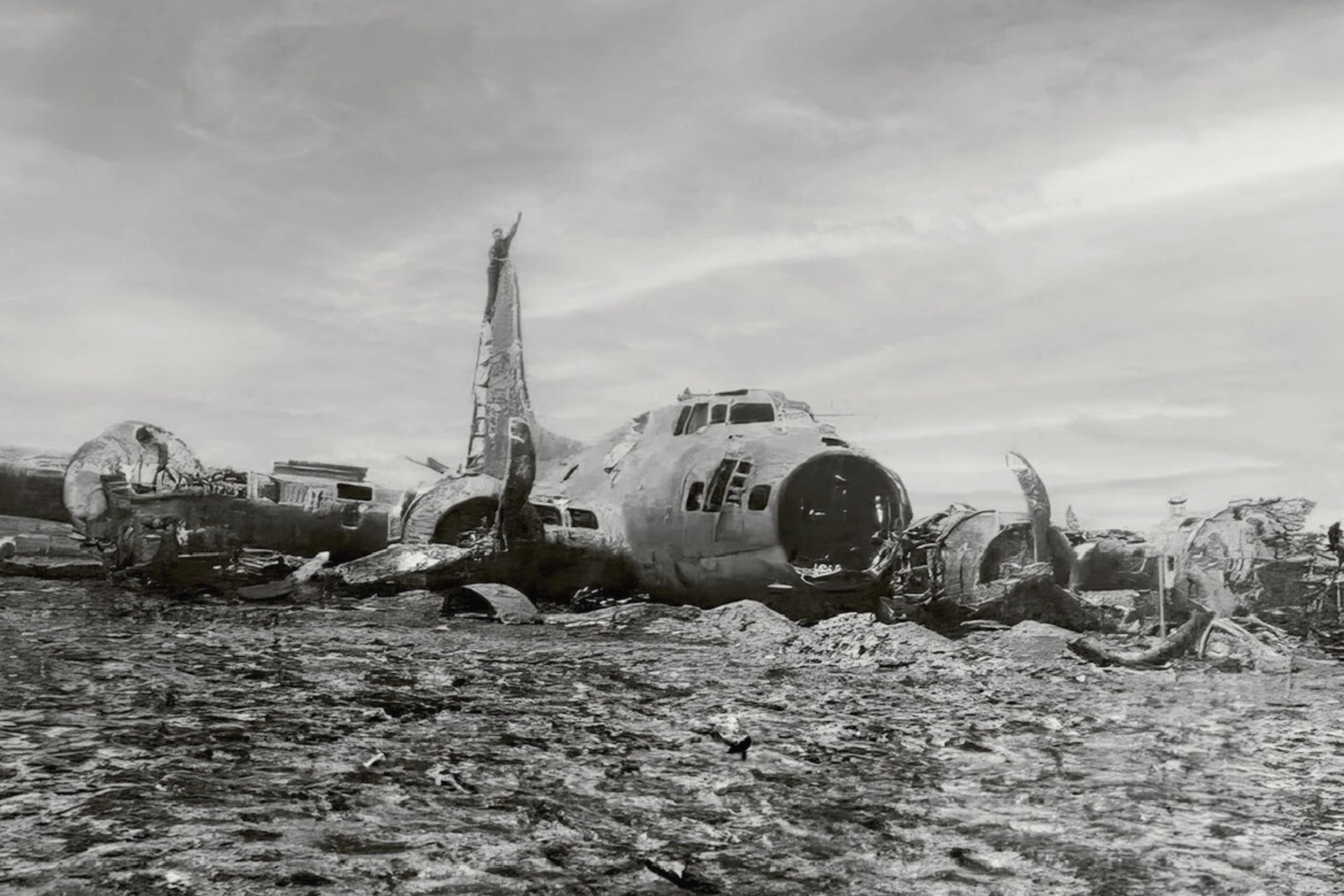
By the time the Second World War began, land reclamation was already underway. The Dutch were preparing new polders, creating new societies and laying foundations for a future province. Urk, once an island, was becoming part of the New Land, standing in a landscape that was changing beneath the flight paths of Allied aircraft. Some crews made it home. Others disappeared into the water, leaving behind questions that would echo for generations.
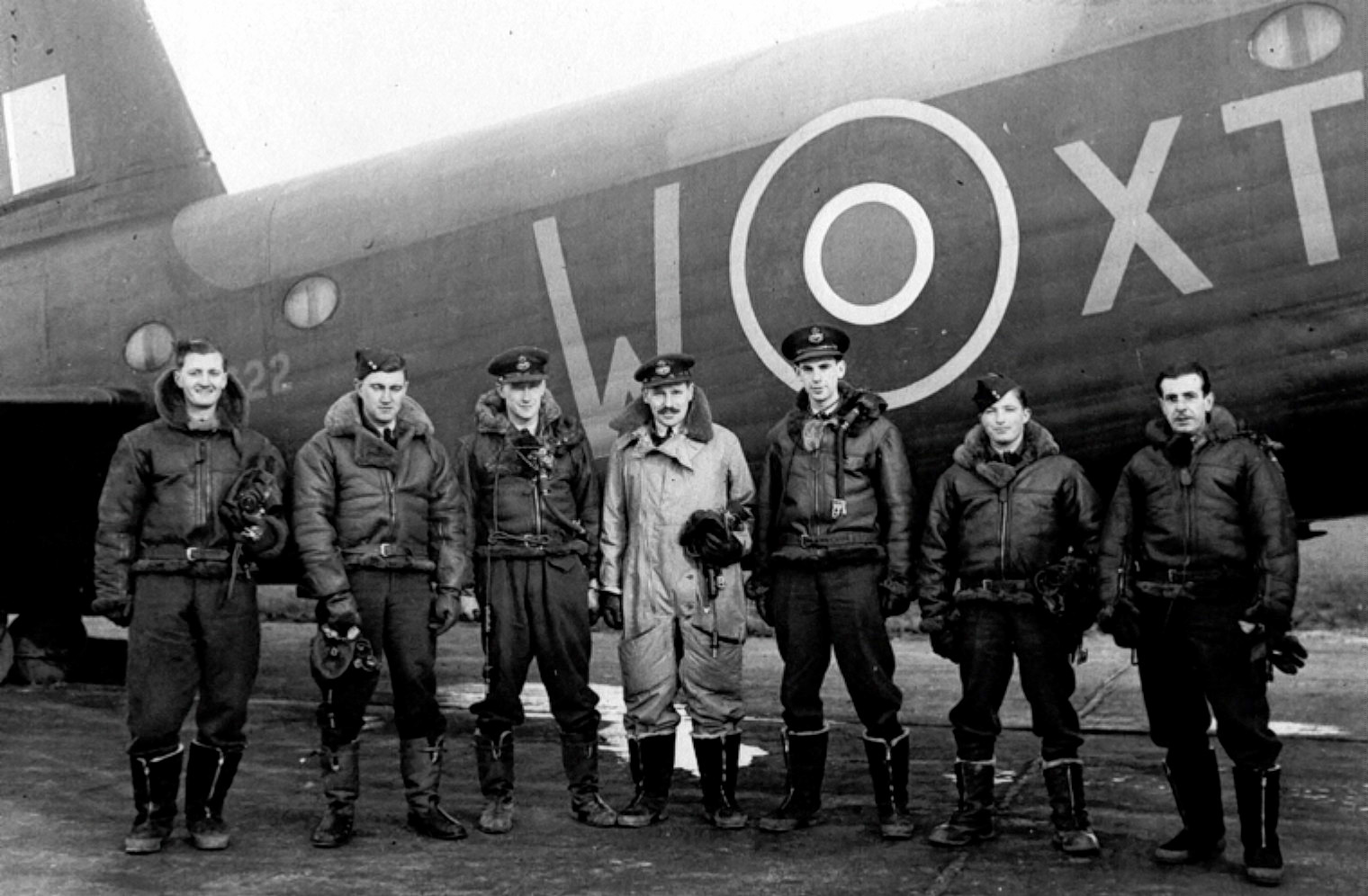
Hope in the Air
For the fishing community of Urk, the air war became part of daily life. Fishermen saw aircraft fall and went out to search the water for downed crew, hoping to rescue them. Even under occupation, they ensured that the fallen were treated with dignity.
To the people of Urk, the sight and sound of Allied aircraft brought more than fear. Every crossing over Lake IJsselmeer reminded them that they were not forgotten and that others were fighting for their freedom. In the midst of danger, the airmen carried hope across the sky.
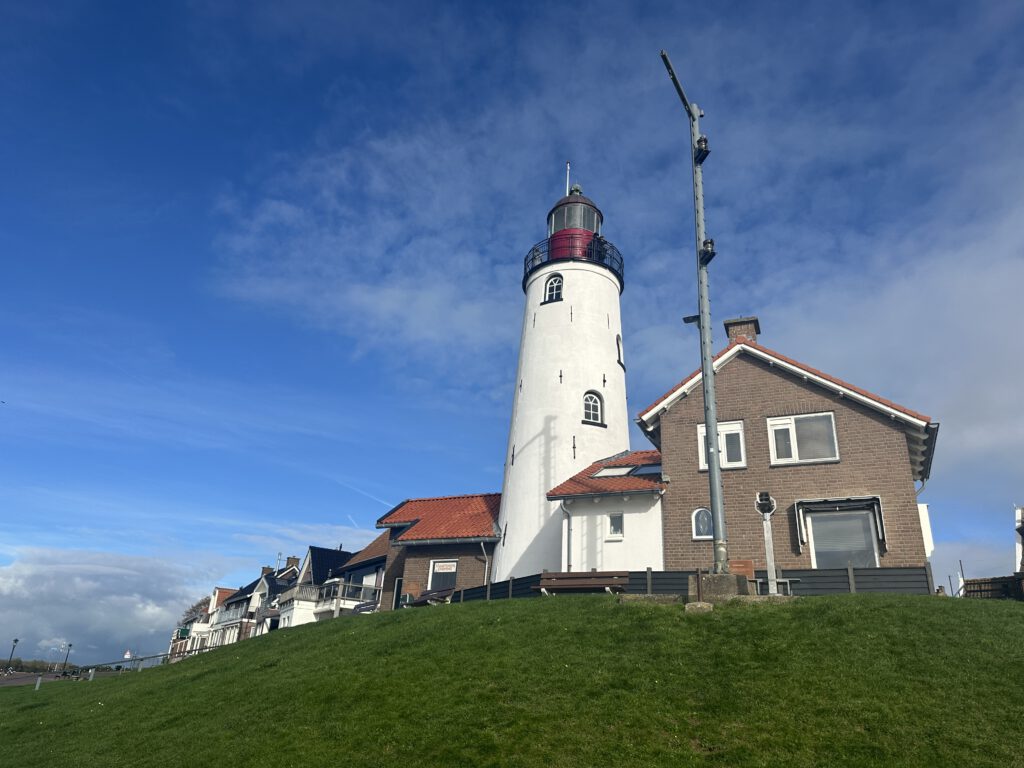
Urk also played a quiet role in the air war. Its familiar outline in the water helped crews navigate across Lake IJsselmeer, guiding them through night, weather and uncertainty. For many airmen, seeing Urk meant they were on course.
With land reclamation in progress, the unfinished polders with reed fields, work huts and raw terrain offered hiding places for downed airmen. Local families and resistance fighters took risks to shelter them and guide them when possible. Their courage met the courage of those who fell from the sky. Some airmen reached safety. Others remained lost beneath the water and the land that would later become Flevoland.
A Landscape of Remembrance
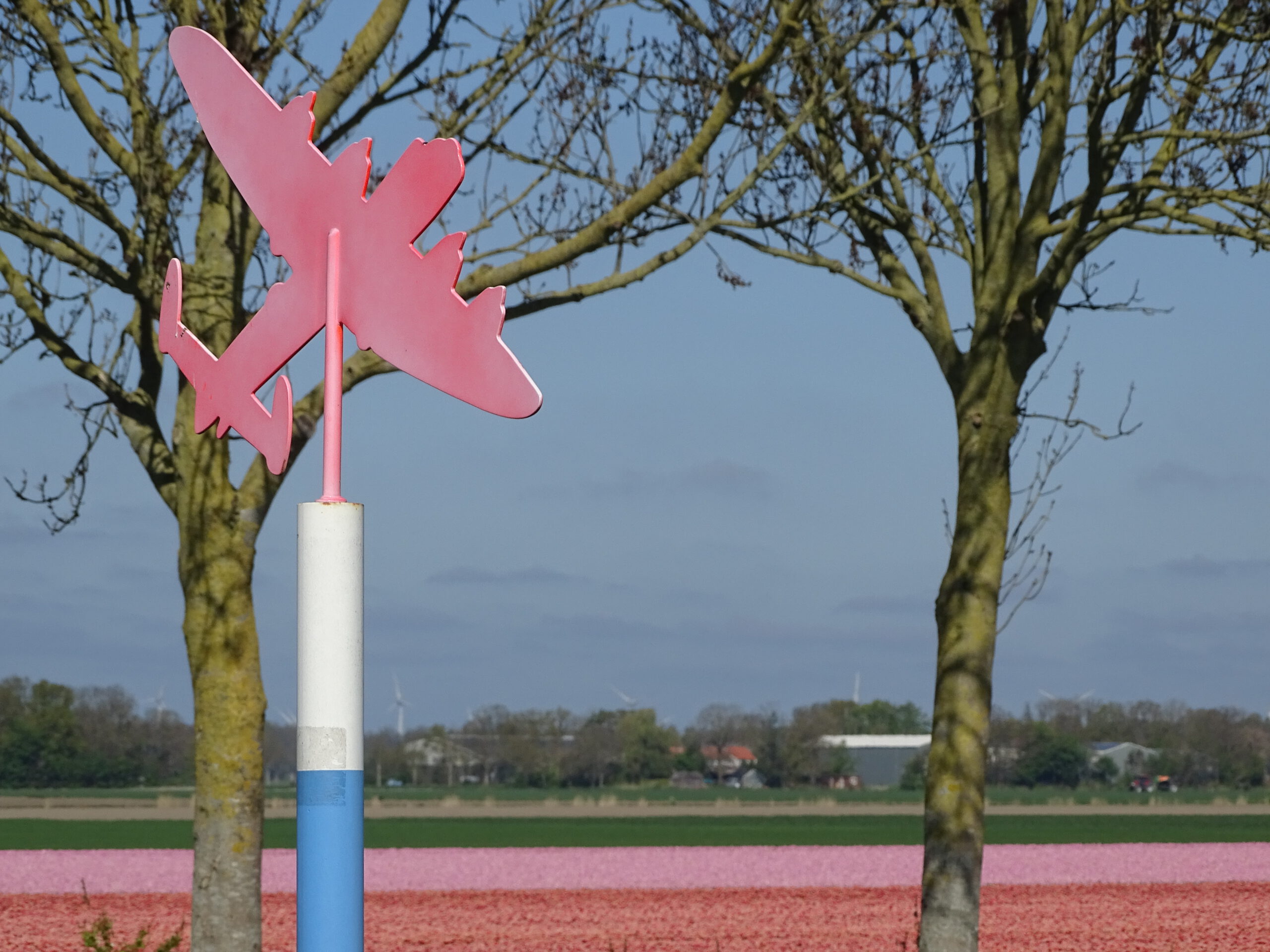
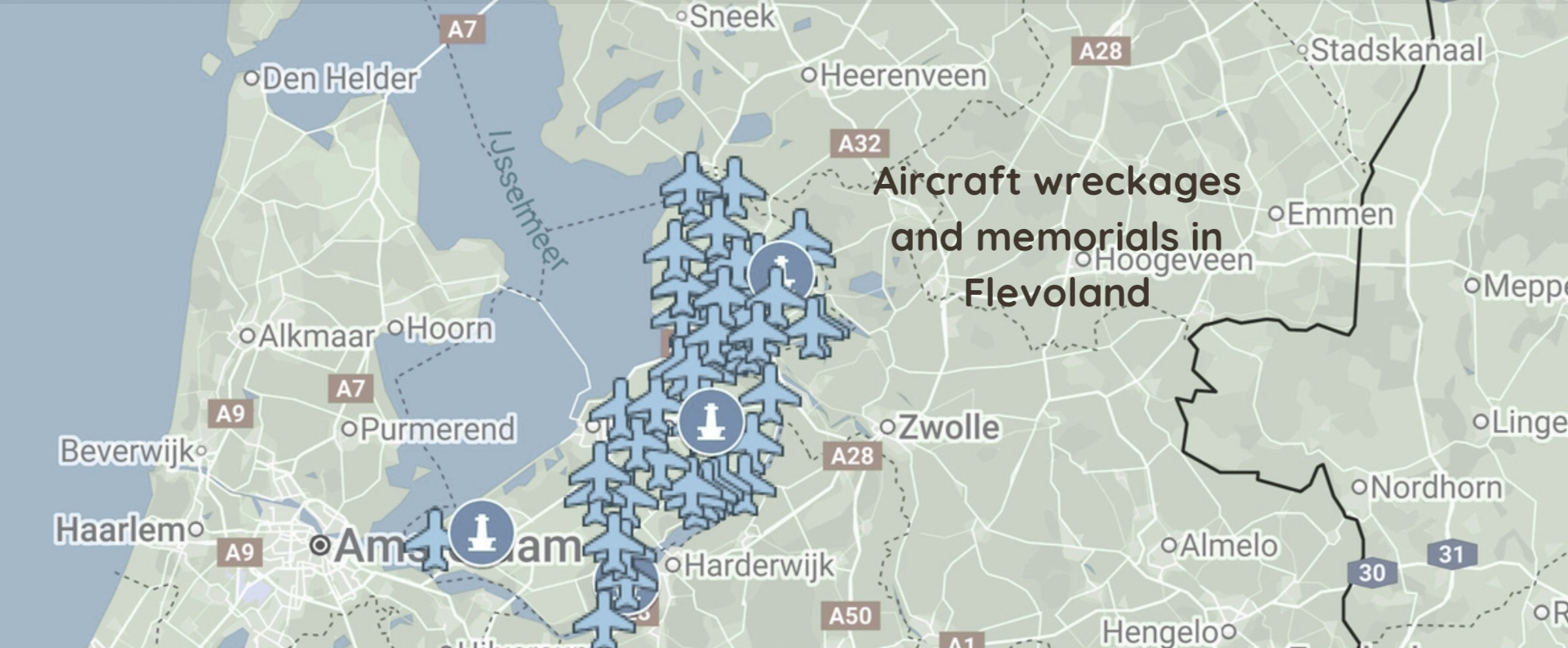
When the new land emerged, it revealed traces of the air war that had once taken place above water. Farmers found aircraft parts in the soil, and stories that had been carried in families and memories began to surface again. The quiet fields, canals and roads of Flevoland became places where the past could be seen and understood.
Across the province, memorials mark the locations where airmen fell. Each one tells a story of courage, loss and the hope that crossed Lake IJsselmeer during the war. They connect the new land to the people who lived here before it existed, and to those who never returned home.
Today, Flevoland is a landscape shaped by water, war and renewal. The markers, stories and recovered fragments remind us that beneath the fields lies a history that continues to speak to all who walk here.
What you will see and experience
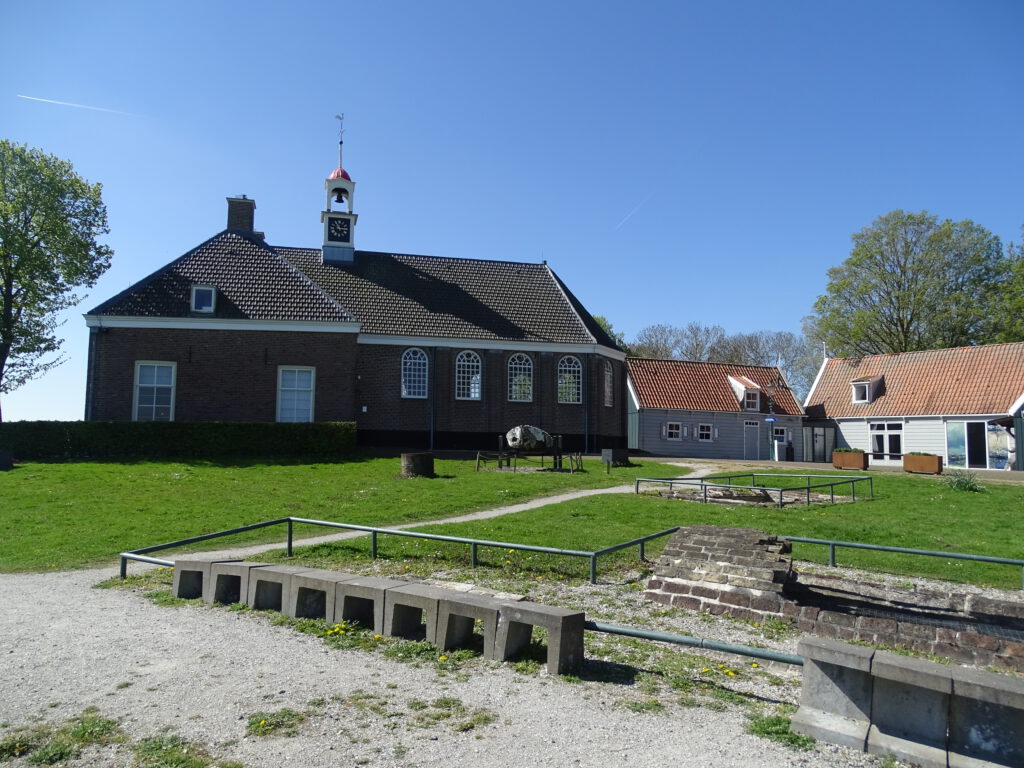
- Schokland (UNESCO World Heritage Site) – once an island in the former Southern Sea, now resting on dry land, symbolising the struggle against the water and the reclamation of land
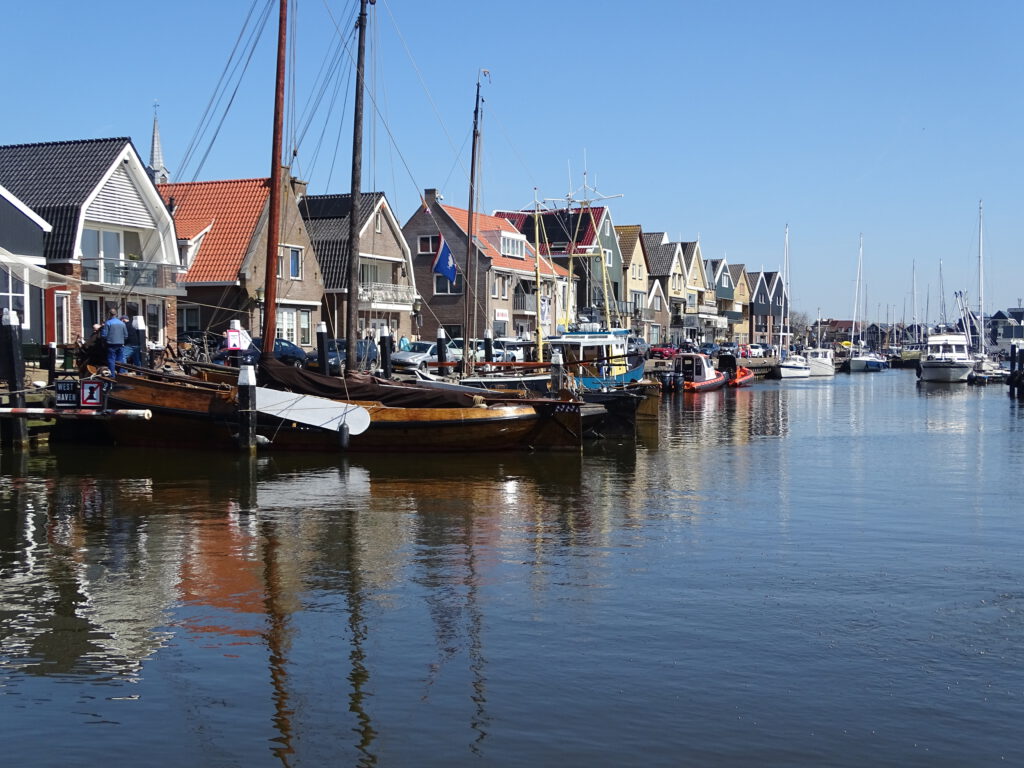
- Urk town walk – a historic fishing community where local families aided downed Allied airmen during the war
Join us and let memory take flight over
the lost sea
Tour details
- Half day WW2 tour (not available on Sunday or Monday)
- Small, private groups
- Available in English and Dutch
- Starting point: Schokland (a one-hour drive from Amsterdam)
- Available both as a self-drive tour and with transport

Included
- Private tour with Lilian van Mourik
- Museum Entry
- Coffee or tea with local treat
- "Read it forward" book (a WW2-themed book to pass on)

Prices
Prices, tour times and our cancellation policy can be found here.

Customised
Customised tours are available. Please contact me for more information.

Book a tour
Send me an email at polderpathways@outlook.com
